
The History of Pilates.
Joseph Pilates and the evolution of movement, the people, places, and ideas that shaped the practice we love.
Pilates began with a German-born movement teacher named Joseph Pilates (1883 to 1967), who built a method he called Contrology: controlled, breath-led movement designed to strengthen the body without straining it. The practice traveled from circus halls and internment camps in early-twentieth-century Europe to a New York studio that quietly trained dancers, athletes, and rehab patients for decades. Today his original apparatus, including the Reformer, still anchors how we teach.
Who was Joseph Pilates?
Joseph Hubertus Pilates was born in 1883 near Düsseldorf, Germany. A sickly child who later devoted his life to physical conditioning, he drew from gymnastics, boxing, wrestling, yoga, and martial arts to build a single, integrated approach to whole-body strength. By his teens he was modeling for anatomy charts; by his twenties he was working as a performer, self-defense instructor, and circus acrobat across Europe.
His pre-war years in particular, the time he spent training, performing, and teaching across England in the early 1910s, shaped the discipline he would later codify. We trace that period in detail in Joseph Pilates’ Pre-War Circus Life, where the acrobat’s daily training routine starts to look a lot like the method you’d recognize on a Reformer today.
From European gymnastics to “Contrology”
Pilates didn’t invent his system out of thin air. The German Turnen gymnastics tradition, Greco-Roman wrestling, and early European bodybuilding all left fingerprints on what he eventually called Contrology, a name meant to capture his core belief that the mind should control the body through every motion, breath, and pause.
The principles he settled on (concentration, control, centering, flow, precision and breath) are the same six cues a good instructor still reaches for at the start of every class. We unpack where each idea came from, and how it made its way into modern studios, in The Roots of Pilates: From European Gymnastics to Contrology.
How the Reformer was born
During the First World War, Pilates was interned on the Isle of Man as a German national. While there he began working with fellow internees and hospital patients, attaching springs to bed frames to give them resistance training they could do lying down. Those rigged-up “bed Reformers” became the prototype for the apparatus that anchors every Pilates studio today: a sliding carriage, a footbar, springs for resistance, and, most famously, leather straps for the hands and feet.
The choice of leather wasn’t cosmetic. Pilates wanted hand and foot loops that pulled back with a specific, biological feel, firm but never rigid, with a touch of give. We dig into why he settled on that material, and what it tells us about how the Reformer is meant to be used, in Joseph Pilates and the Original Reformer: A History of Leather Straps.
Pilates in America, and at the Studio today
In 1926 Joseph and his wife Clara opened a studio in New York City that quickly became a refuge for dancers from the New York City Ballet and Martha Graham Company. He taught quietly there for forty years. After his death in 1967, his first-generation students, later known as the “Elders”, carried the work forward, each emphasizing different facets of the method.
Today, classical Pilates and various contemporary lineages all trace back to that New York studio. At The Studio Pilates in Atlanta, we teach Reformer-based group and private classes that stay anchored in those original principles: control before speed, breath before strain, the long line before the heavy spring. If you’re new to the method, our intro classes are the cleanest place to start; our full schedule is open to all levels, subject to our level guidelines.
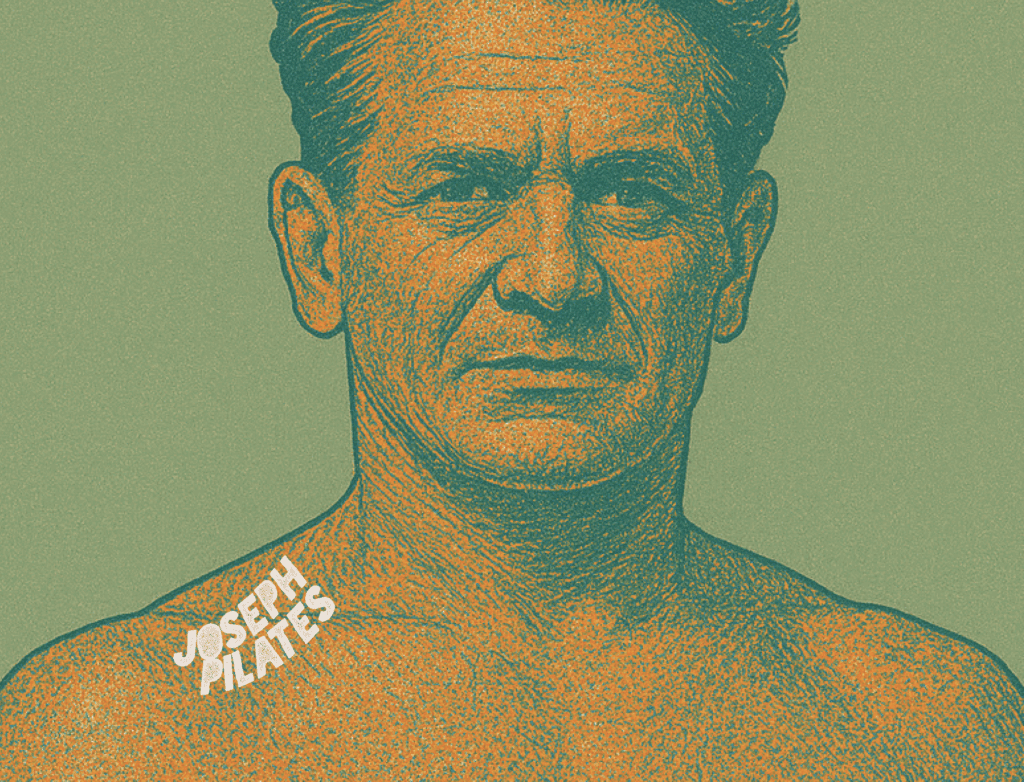
Joseph Pilates’ Pre-War Circus Life (1912–1914) | The Acrobat Who Became a Teacher:
Before he was a teacher, Joseph Pilates trained, performed and taught across England in the early 1910s, including time as a circus performer. Here's how those years, and his internment during World War I, shaped the method he later called Contrology.
Read More
The Roots of Pilates: From European Gymnastics to Contrology
Before Pilates became the global movement system we know today, it was part of something much bigger: a 19th-century fitness revolution across Europe. From the disciplined gymnastic drills of Friedrich Ludwig Jahn’s Turnverein clubs in Germany to Pehr Henrik Ling’s holistic Swedish gymnastics, this was an era obsessed with building the perfect body and mind. This article explores how that culture of strength, precision, and breath shaped a young Joseph Pilates, and how he turned those roots into the method we now call Contrology.
Read More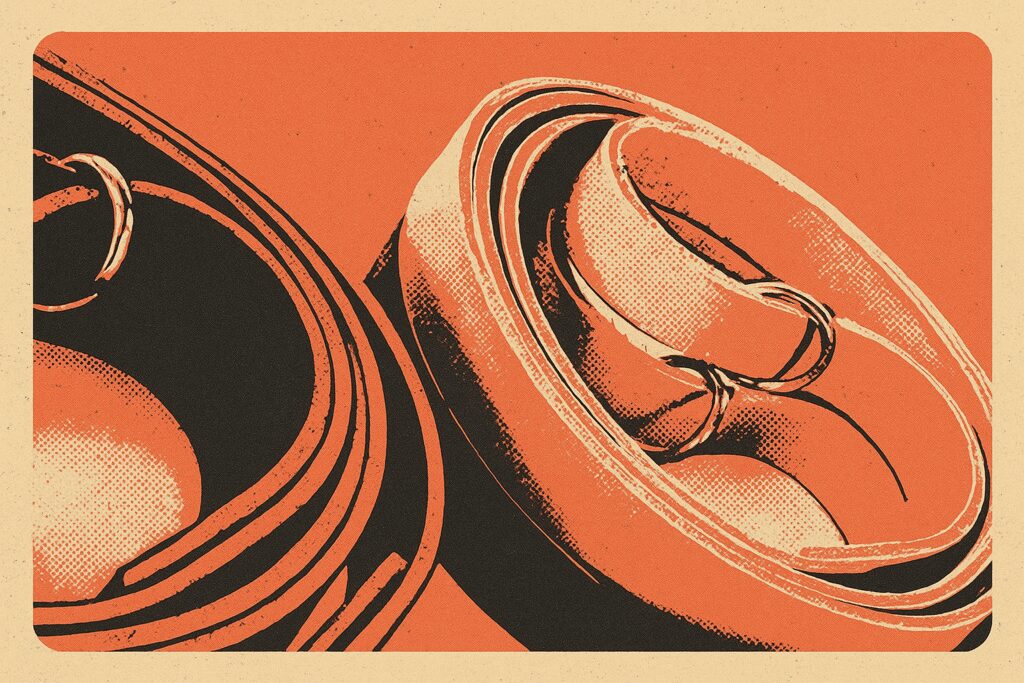
Joseph Pilates and the Original Reformer | History of Leather Straps
Joseph Pilates, the founder of the Pilates method, designed a unique exercise apparatus known as the Universal Reformer. One distinctive feature of his original reformer was the use of leather straps instead of ropes or cables. This report explores the reasons behind Pilates’ choice of leather straps, examining the material’s benefits, the historical context of the design, comparisons to other materials available in the early 20th century, and how strap materials have evolved in modern Pilates equipment.
Read More


